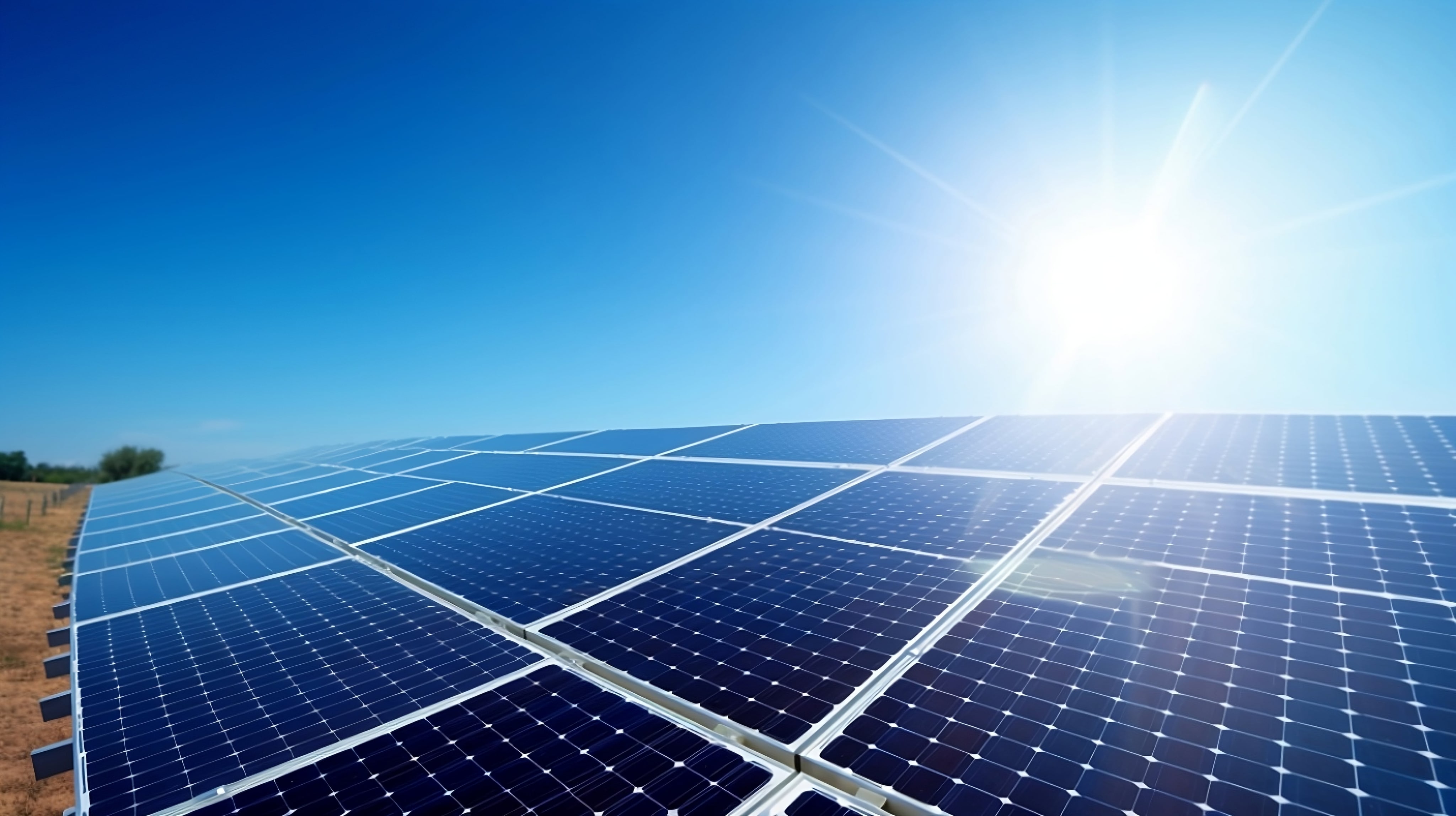
Why 2026 Is a Critical Year for Commercial Solar Projects

Businesses across the United States are facing a pivotal moment in the transition to clean energy. In 2026, new federal rules will significantly change how commercial solar incentives work — and the timeline for capturing them. For companies considering on‑site energy solutions, the next several months may represent the best window to secure favorable economics and long‑term energy stability.
The Federal Solar Tax Credit Deadline
The federal Investment Tax Credit (ITC) remains one of the most powerful incentives for commercial solar adoption. Today, eligible projects can still receive a 30% federal tax credit on the cost of installing solar and certain energy storage systems.
However, recent legislation accelerated the timeline for qualifying projects.
To preserve eligibility for the credit, commercial solar projects must either:
- Begin construction by July 4, 2026, or
- Be fully operational by December 31, 2027.
Projects that begin construction before the July 2026 deadline can "safe harbor" the tax credit, allowing developers additional time to complete construction while still qualifying for the incentive.
For many businesses, this means 2026 is the decision year.
Why Businesses Are Moving Toward On‑Site Energy
Beyond tax incentives, several market forces are pushing companies toward solar and distributed energy solutions:
Rising Electricity Costs
Energy prices continue to fluctuate across the country, and commercial facilities often face additional demand charges during peak usage periods. Solar combined with battery storage can reduce exposure to these costs by shifting when energy is used or stored.
Energy Resilience
Many organizations are seeking protection against grid disruptions caused by weather events or infrastructure constraints. Solar paired with battery storage can provide backup power and operational continuity for critical facilities.
Operational Energy Strategy
More companies are deploying on‑site energy systems as part of long‑term operational planning. Solar and storage systems can help manage peak demand, improve cost predictability, and support sustainability goals.
The Growth of Microgrids
Large facilities — including manufacturing sites, campuses, and logistics centers — are increasingly evaluating microgrids that combine solar generation, batteries, and intelligent energy management systems. These systems allow facilities to operate independently from the grid when needed while optimizing energy usage day‑to‑day.
The Planning Timeline Matters
Commercial solar projects involve several steps before construction can begin:
- Energy analysis and feasibility study
- System design and engineering
- Utility interconnection approval
- Incentive structuring and financing
- Equipment procurement
Because of these steps, businesses typically need 6–12 months of planning before construction begins. Waiting too long could make it difficult to secure equipment, interconnection approvals, and engineering resources before the July 2026 deadline.
Why Many Companies Start With a Feasibility Study
For most organizations, the first step is simply understanding whether solar makes sense for their facility.
A feasibility analysis typically evaluates:
- Available roof or land area
- Electrical infrastructure
- Local utility rates and tariffs
- Incentives and tax credits
- System size and estimated financial return
This process helps determine whether solar can deliver value through energy savings, operational resilience, or new revenue opportunities depending on the facility’s business model.
The Opportunity Window
The combination of federal incentives, evolving grid dynamics, and improving solar technology makes 2026 a pivotal moment for commercial energy strategy.
Businesses that begin evaluating projects now will be best positioned to secure incentives, navigate permitting timelines, and deploy systems that support long‑term operational stability.
For organizations considering renewable energy solutions, the most important step is simply starting the conversation. Interested in exploring solar for your facility? Start with a feasibility analysis to understand the potential system size, financial value, and available incentives for your property.
Stay Informed with HSI
Get the latest news and updates from HSI Solar Company.

What a $10.7 Billion Energy Deal Means for the Future of Commercial Power